
Metoda activ participativă „Pălării gânditoare” este o metodă cu caracter formativ, care contribuie la dezvoltarea gândirii critice, prin care se reflectă: conştientizarea diferitelor modele de gândire posibile asupra unei situaţii/ probleme; descrierea problemei din diferite unghiuri de vedere posibile şi relevante; evidenţierea randamentului diferenţiat în abordarea şi rezolvarea problemelor.

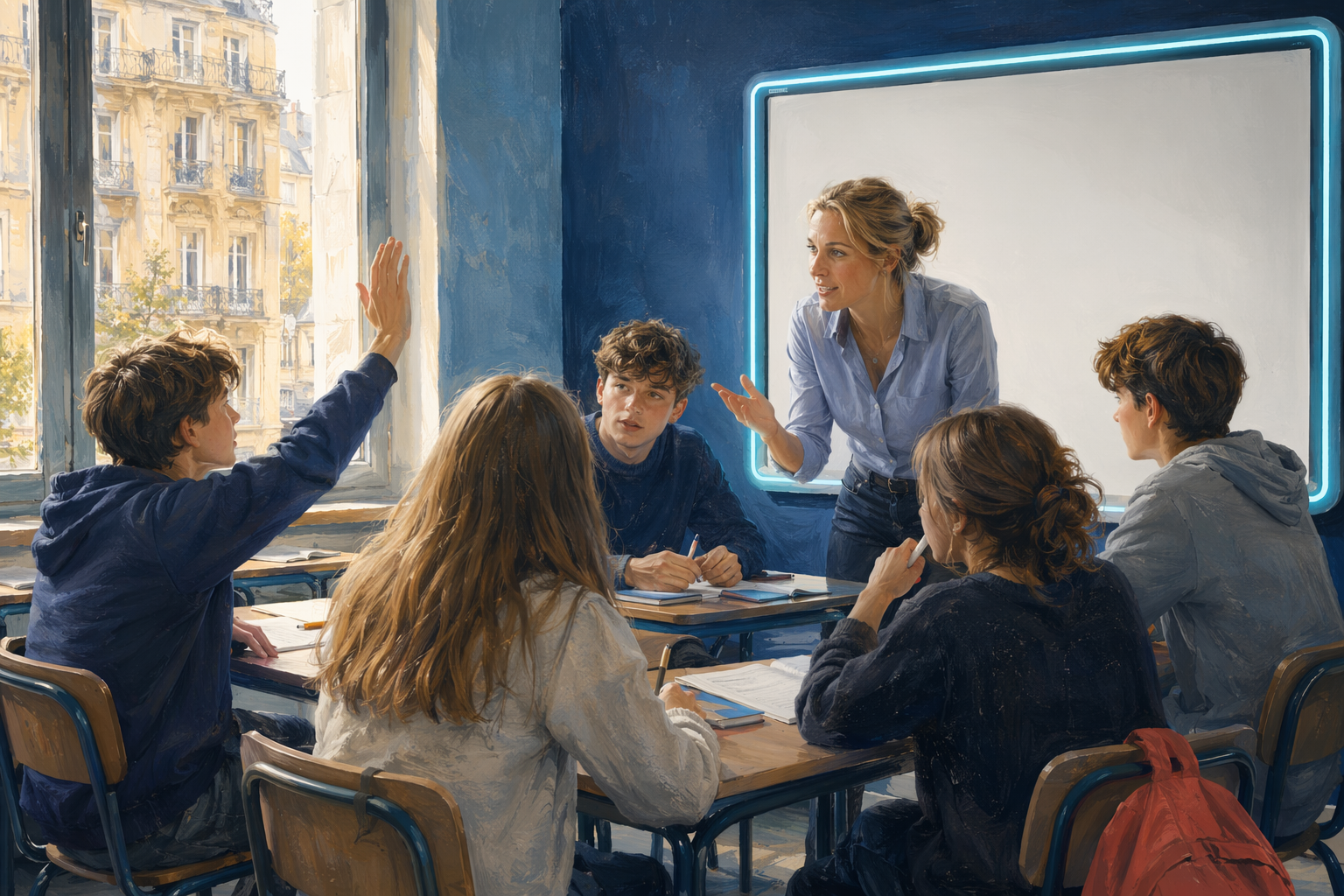
Clasa ca un laborator viu: Puterea învățării active și a cooperării
Lumea se schimbă cu o viteză uluitoare, iar școala, ca pilon al societății, are datoria să țină pasul. Modelul educațional tradițional, în care profesorul vorbește iar elevii ascultă pasiv, se dovedește tot mai des depășit. Pur și simplu, nu mai este suficient să le transmitem elevilor informații; trebuie să îi echipăm cu unelte reale pentru viitor, precum gândirea critică, abilitatea de a colabora și autonomia de a învăța pe cont propriu. În acest peisaj nou, două concepte capătă o importanță fundamentală: învățarea activă și cooperarea.

Comment enseigner le vocabulaire
Enseigner le vocabulaire est l’une des activités les plus importantes que le professeur doit accomplir. Ne pas connaître le vocabulaire français signifie ne pas être capable de lier des phrases ou de parler. L’apprentissage du vocabulaire se fait continuellement, au cours des années scolaires, à l’université, et même tout au long de la vie. « Pour bien maîtriser une langue, il faut absolument que le vocabulaire des apprenants soit soigneusement et fréquemment acquis et contrôlé. » (Nguyen, 2004 : 1).

Considerații metodice în predarea ecuațiilor logaritmice la clasa a X-a
Ecuațiile logaritmice ocupă un loc important în programa de matematică a clasei a X-a, fiind studiate împreună cu ecuațiile exponențiale (rezolvarea ecuațiilor exponențiale și logaritmice). Studiul acestui tip de ecuații contribuie la înțelegerea profundă a conceptului de logaritm (exponent), care este inversul funcției exponențiale. Elevii învață să transforme ecuațiile logaritmice în forme exponențiale echivalente şi să aplice proprietățile logaritmilor pentru simplificare. În acest mod, se dezvoltă competențe-cheie în rezolvarea problemelor și se realizează conexiuni cu conținuturi precum funcțiile exponențiale, proprietățile puterilor și radicalilor.
Considerații metodice privind predarea ecuațiilor iraționale de ordin 2 și 3 la clasa a X-a
Ecuațiile iraționale, în special cele de ordinul al doilea și al treilea, constituie o temă importantă în programa clasei a X-a, oferind elevilor ocazia să își dezvolte gândirea logică, rigurozitatea în exprimare și abilitățile de rezolvare a problemelor. Acest articol oferă o perspectivă metodică asupra modului în care pot fi introduse, explicate și exersate aceste ecuații, evidențiind greșelile frecvente, strategiile de remediere și rolul tehnologiei în predare.

Considerații metodice privind predarea ecuației de gradul al II-lea la clasa a IX-a
Ecuațiile de gradul al II-lea reprezintă un pilon central al curriculumului de matematică în clasa a IX-a, având un rol formativ în dezvoltarea gândirii algebrice și a competențelor de rezolvare de probleme. Articolul de față analizează aspectele metodice esențiale ale predării acestei teme, cu accent pe progresia logică a conținuturilor, utilizarea reprezentărilor grafice, abordările didactice diferențiate și integrarea tehnologiei în procesul educațional.

La production orale dans la classe de FLE – une pédagogie de la découverte
L’expression orale, appelée production orale dans le CECRL, est une compétence que les apprenants doivent progressivement acquérir pour arriver à produire des énoncés à l’oral dans toute situation communicative. Ils ont à surmonter des difficultés liées à la prononciation, au rythme, à l’intonation mais également des problèmes quant à la compréhension (en interaction) car, comme le stipule le CECRL, dans une situation de communication orale, on joue alternativement le rôle du locuteur et de l’auditeur.
Evaluarea în mediul online versus evaluarea tradițională
Tehnologiile moderne oferă câteva oportunităţi pentru evaluarea performanţei în învăţare. Există nenumărate proiecte la nivel european care vizează utilizarea noilor tehnologii în învăţământul preuniversitar, iar câteva dintre acestea vizează şi îmbunătăţirea sau eficientizarea practicilor de evaluare a elevilor. Întotdeauna trebuie pus în balanţă ceea ce este posibil şi este facilitat prin tehnologie, pe de o parte, şi ceea ce este făcut mai dificil sau inhibat de către mediul nou folosit, pe de altă parte. Punctul de plecare îl constituie metodele tradiţionale de evaluare de performanţe, care sunt preluate şi validate (de cele mai multe ori, de practică) în mediul tehnologic.
Contribuția școlii online la dezvoltarea școlii în format fizic
În școala online, resursele digitale au constituit acele instrumente de lucru, des utilizate pentru a oferi un învățământ calitativ și deschis tendințelor inovative, care să corespundă nevoilor și intereselor copiilor. Astfel, copiii apreciază și simt utilitatea lecțiilor online folosind diferite platforme (Google, Zoom, Digitaliada etc.).

Gamificarea învățării – o provocare pentru profesorii de limba și literatura română
În încercarea de a preda cât mai atractiv, astfel încât elevii să fie atenți și să se implice în actul educațional, profesorul are acum la îndemână tot soiul de platforme unde gamificarea este folosită cu succes. Dar oare acest succes este unul real, având în vedere că elevii trebuie să-și dezvolte cele opt competențe-cheie și să dovedească la examenele naționale, la limba și literatura română, că au capacitatea de a redacta un eseu sau o compunere și că își pot susține un punct de vedere? Îi ajută această gamificare masivă să se înalțe și să cunoască succesul sau îi transformă în niște Icari moderni care se vor prăbuși din înalt, având iluzia că sunt suficient de pregătiți și că nimic nu-i poate opri din drum?