
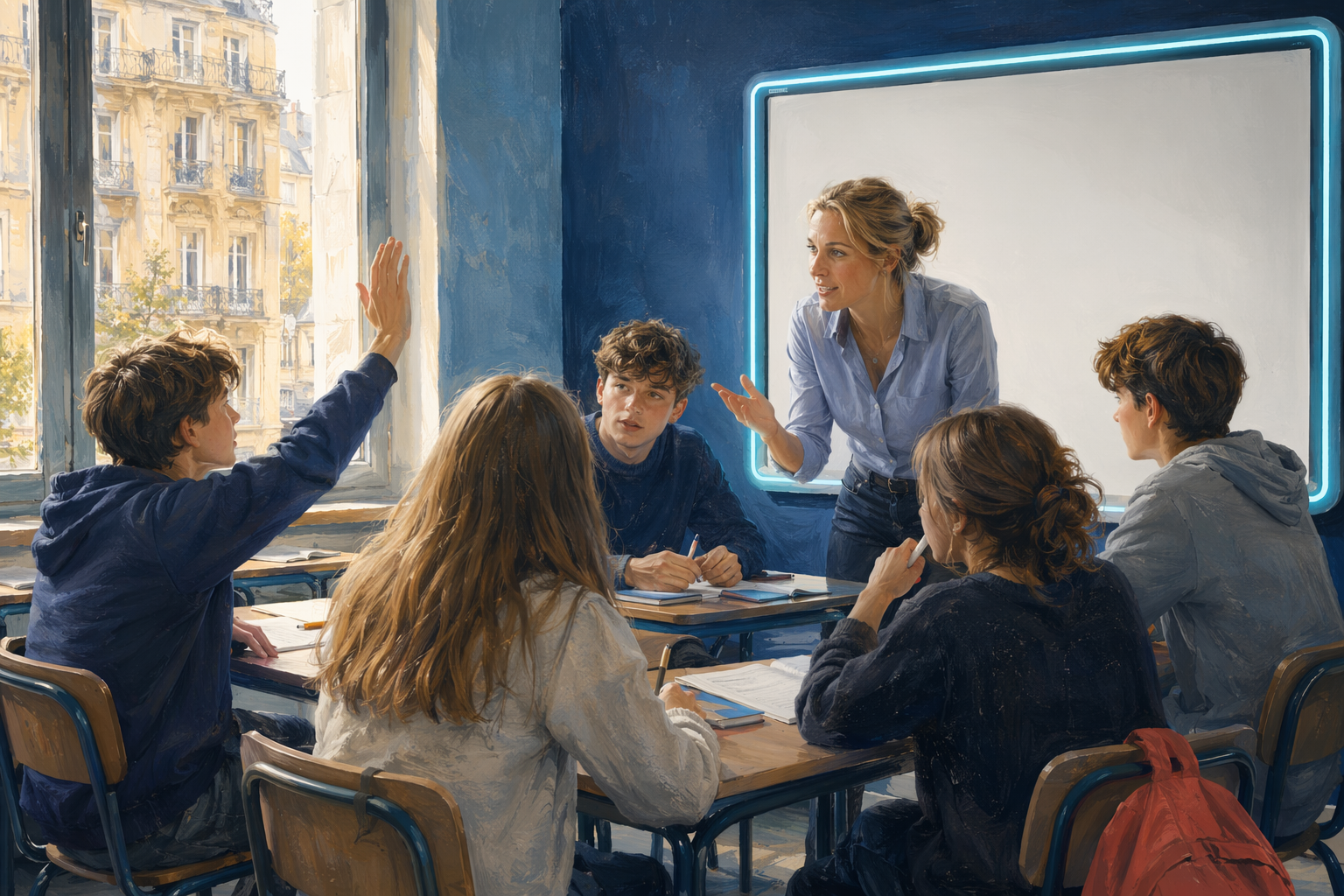
Învățarea nu se încheie odată cu perioada copilăriei sau a adolescenței. Pentru mulți adulți, revenirea la școală reprezintă o oportunitate de a-și completa studiile, de a obține o calificare, de a-și schimba traseul profesional sau, pur și simplu, de a-și îndeplini un obiectiv personal pe care nu au reușit să îl finalizeze la momentul potrivit. În acest context, învățământul seral ocupă un loc important, oferind posibilitatea continuării studiilor persoanelor care au un program de lucru sau alte responsabilități în timpul zilei.
Starea de bine a profesorului schimbă întreaga clasă
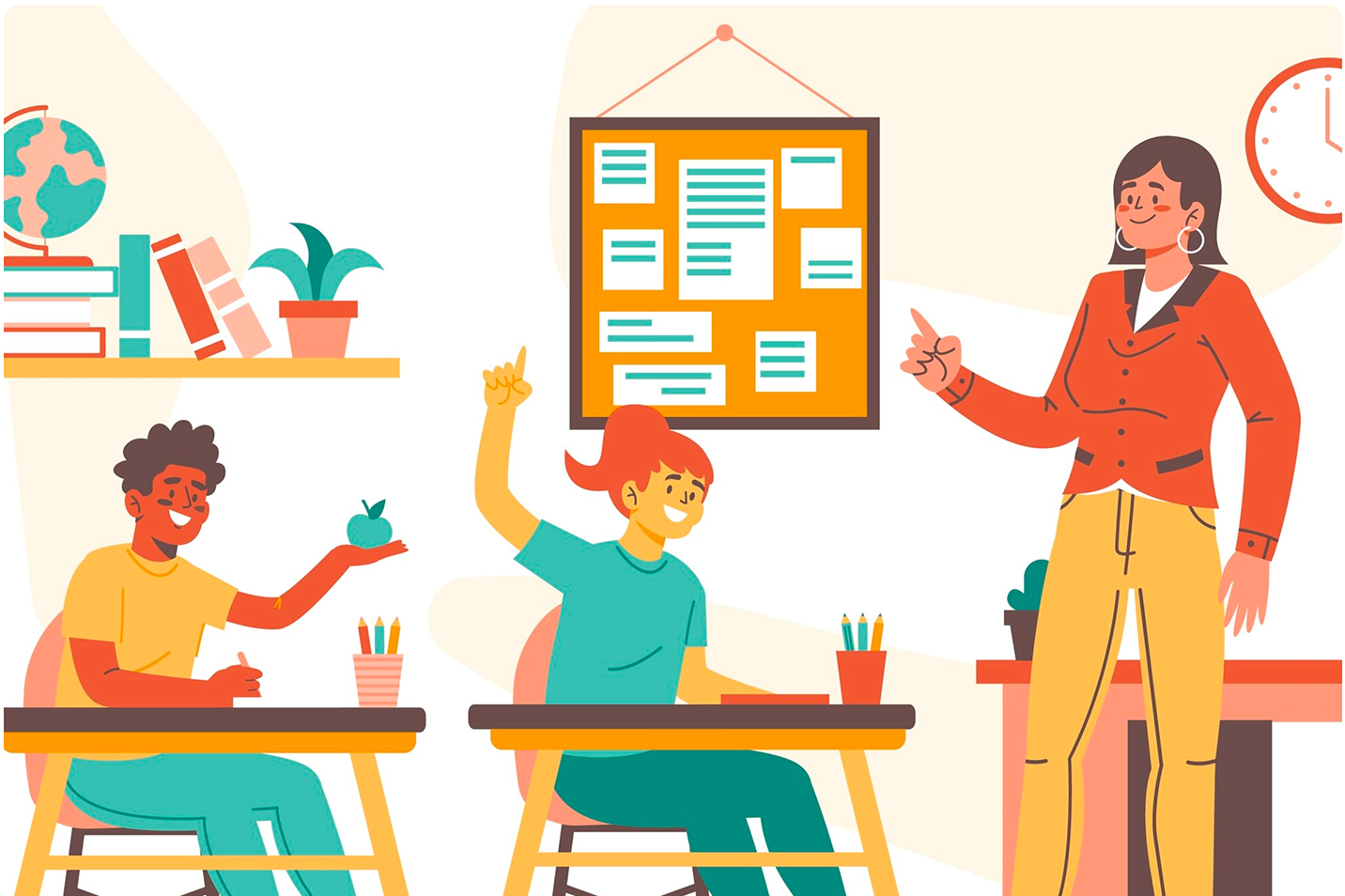
Într-o perioadă în care sistemul educațional este preocupat mai mult de performanță și inovare, poate cea mai importantă reformă este aceea care începe cu oamenii. Profesorii nu au nevoie doar de programe, strategii și tehnologii moderne, ci și de încredere, autonomie, sprijin și recunoaștere profesională. De aceea, calitatea unei școli nu este dată exclusiv de curriculum sau de infrastructură, ci de capacitatea ei de a cultiva o comunitate în care profesorii și elevii se dezvoltă împreună.
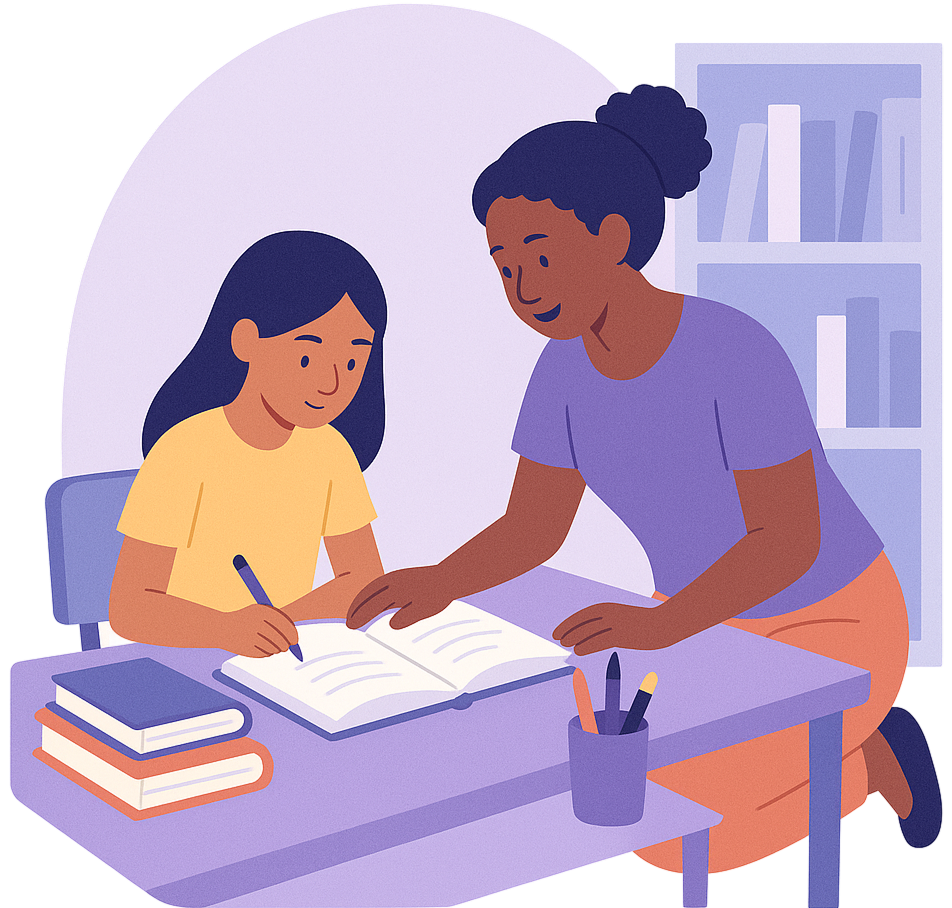
Eficiența strategiilor activ-participative în educația timpurie: Abordarea integrată a învățării bazate pe joc la grupa mijlocie
În contextul reformelor curriculare actuale din învățământul preșcolar, educația timpurie pune un accent deosebit pe centrarea demersului didactic pe copil. Învățarea în perioada preșcolară nu se mai poate rezuma la transmiterea pasivă de informații. Dimpotrivă, ea trebuie să devină o experiență vie, exploratorie și profund ancorată în realitatea imediată a copilului. Strategia fundamentală prin care se realizează acest deziderat este învățarea bazată pe joc, susținută prin utilizarea metodelor activ-participative.
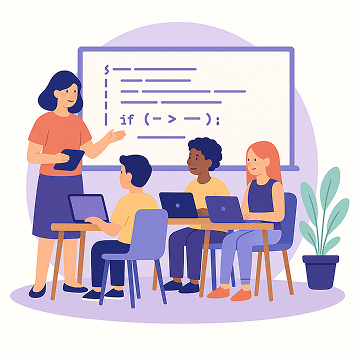
Pacea se învață împreună – Școala, spațiu al respectului, dialogului și solidarității
Există zile care nu trebuie doar marcate în calendar, ci trăite și transformate în experiențe educaționale. Ziua Internațională a Păcii, sărbătorită anual la 21 septembrie, este una dintre acestea. Instituită de Adunarea Generală a Organizației Națiunilor Unite în 1981, iar din 2001 stabilită ca zi de nonviolență, această zi ne invită să reflectăm asupra păcii și asupra responsabilității fiecăruia de a o construi.
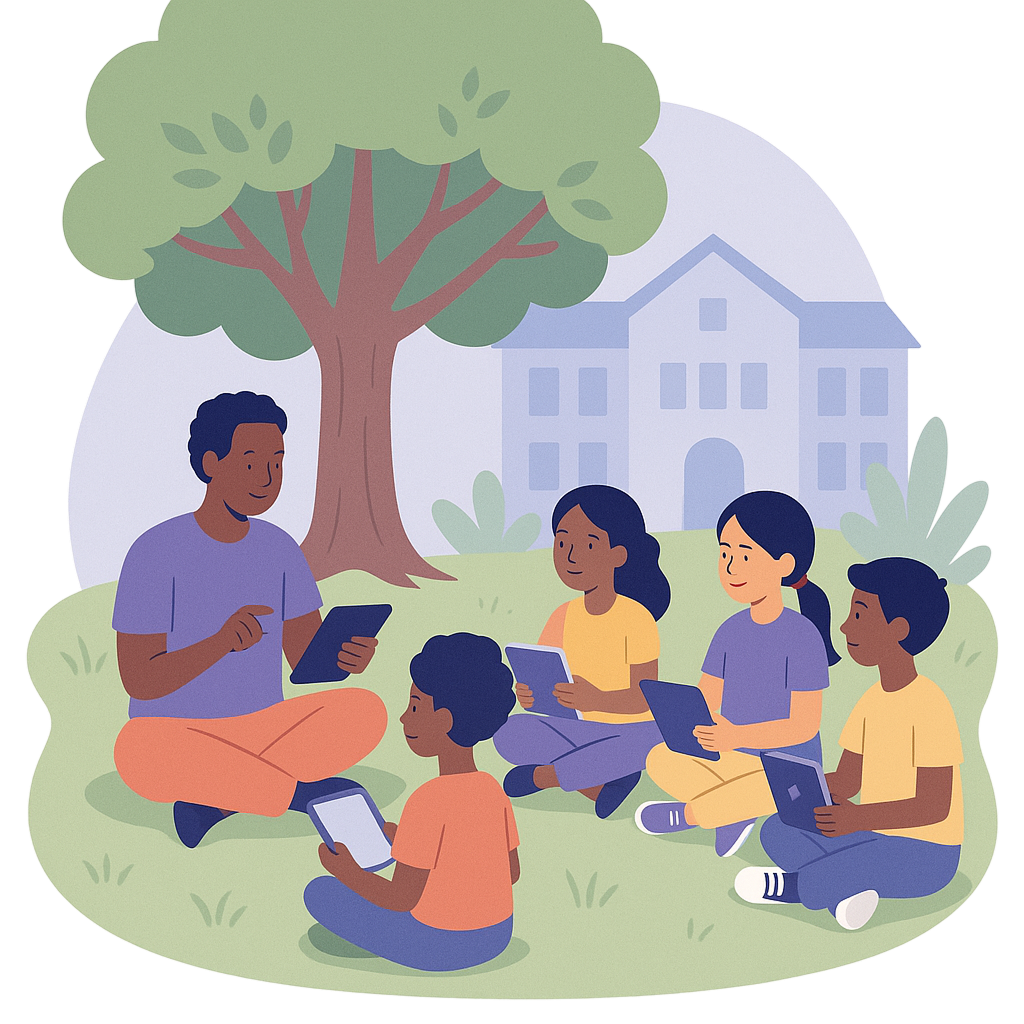
Învățarea autentică începe atunci când copilul pune pasiune în ceea ce face
Am urmărit de curând povestea proiectului „Pune mâna pe chitară” și a comunității create în jurul Guitar Meeting Festival. Imaginea a 1.200 de chitariști cântând împreună este impresionantă nu doar prin amploarea ei, ci mai ales prin energia pe care o transmite. Copii, adolescenți și adulți, oameni cu experiențe diferite, uniți de aceeași bucurie: aceea de a face muzică împreună. Privind aceste imagini și ascultând emoția, mi-am pus o întrebare firească: ce îi determină pe atât de mulți copii și tineri să învețe acorduri, să repete, să depășească momentele dificile și să continue?
Cu siguranță, nu o notă. Nu teama de evaluare. Nu obligația de a realiza o temă.
Învățarea și exersarea limbii engleze prin povești, povestiri și scenete pentru copii
Poveștile, povestirile și scenetele reprezintă resurse valoroase și motivante, care asigură deseori contextele necesare pentru învățarea și exersarea vocabularului nou într-o limbă străină, dezvoltarea imaginației și a competențelor de vorbire. Spre deosebire de exercițiile obișnuite, lipsite de context, povestirile sau scenetele, legate prin fire narative, contribuie la îmbunătățirea abilităților de comunicare în context, în mod natural și semnificativ.
În acest articol, sunt evidențiate beneficiile metodei de predare a limbii engleze prin intermediul poveștilor, povestirilor, scenetelor sau al altor texte narative și câteva idei de activități.

Artful English: Sketching the Path to Fluency
Over the years spent standing before the board, I have come to realize that teaching English is not merely about verb conjugations or endless lists of vocabulary. It is, profoundly, about finding that invisible ”bridge” to the student’s mind and soul. Sometimes, this bridge is not built of words, but of colours and lines. To me, learning English through drawing is more than just a didactic method; it is a personal experience that has reshaped my classroom atmosphere, turning linguistic barriers into creative playgrounds.
Matematica surprinzătoare în activități extracurriculare: trei experimente pentru un stand STEM
Activitățile extracurriculare oferă un cadru privilegiat pentru a prezenta matematica drept investigație, nu doar drept colecție de formule. Un stand construit în jurul unor rezultate contraintuitive îi provoacă pe elevi să formuleze predicții, să verifice experimental și să caute explicații. Banda lui Möbius, acul lui Buffon și iluzia de arie 8×8 → 13×5 sunt trei exemple cu materiale foarte simple, potrivite pentru evenimente precum Noaptea Cercetătorilor, „Școala Altfel”, cluburi de matematică sau activități STEM.
Grădinița și familia – împreună pentru binele copilului
În primii ani de viață, copilul descoperă lumea prin intermediul adulților care îl înconjoară. Familia este primul său spațiu de învățare, locul în care învață să comunice, să se exprime, să relaționeze și să își formeze primele deprinderi de autonomie. Mai târziu, odată cu intrarea în grădiniță, copilul pășește într-un mediu nou, în care întâlnește alți copii, reguli, situații și experiențe care contribuie la dezvoltarea sa. De aceea, grădinița și familia nu pot fi privite ca două spații separate ale educației. Ele reprezintă două medii importante în care copilul se dezvoltă, iar legătura dintre acestea poate avea o influență semnificativă asupra evoluției sale. Atunci când părinții și cadrul didactic comunică, își împărtășesc observațiile și urmăresc obiective comune, copilul beneficiază de un climat educațional mai coerent și mai sigur.
Bullyingul în grădiniță – agresivitate sau durere?
Fenomenul bullyingului este tot mai des întâlnit în mediile educaționale, inclusiv în grădiniță, unde copiii se află în plină formare socio-emoțională. În literatura de specialitate, bullyingul este definit ca un comportament repetitiv, intenționat, prin care o persoană provoacă suferință fizică, emoțională sau socială altei persoane, într-un context de dezechilibru de putere.